Residences and Spa by Jessica Bataille
or centuries, Moscatel grapes were the backbone of Jávea’s economy, thriving in its warm Mediterranean climate. By the 19th and early 20th centuries, the town became a major exporter, supplying France, England, and the Americas with fresh grapes, wine, and raisins.
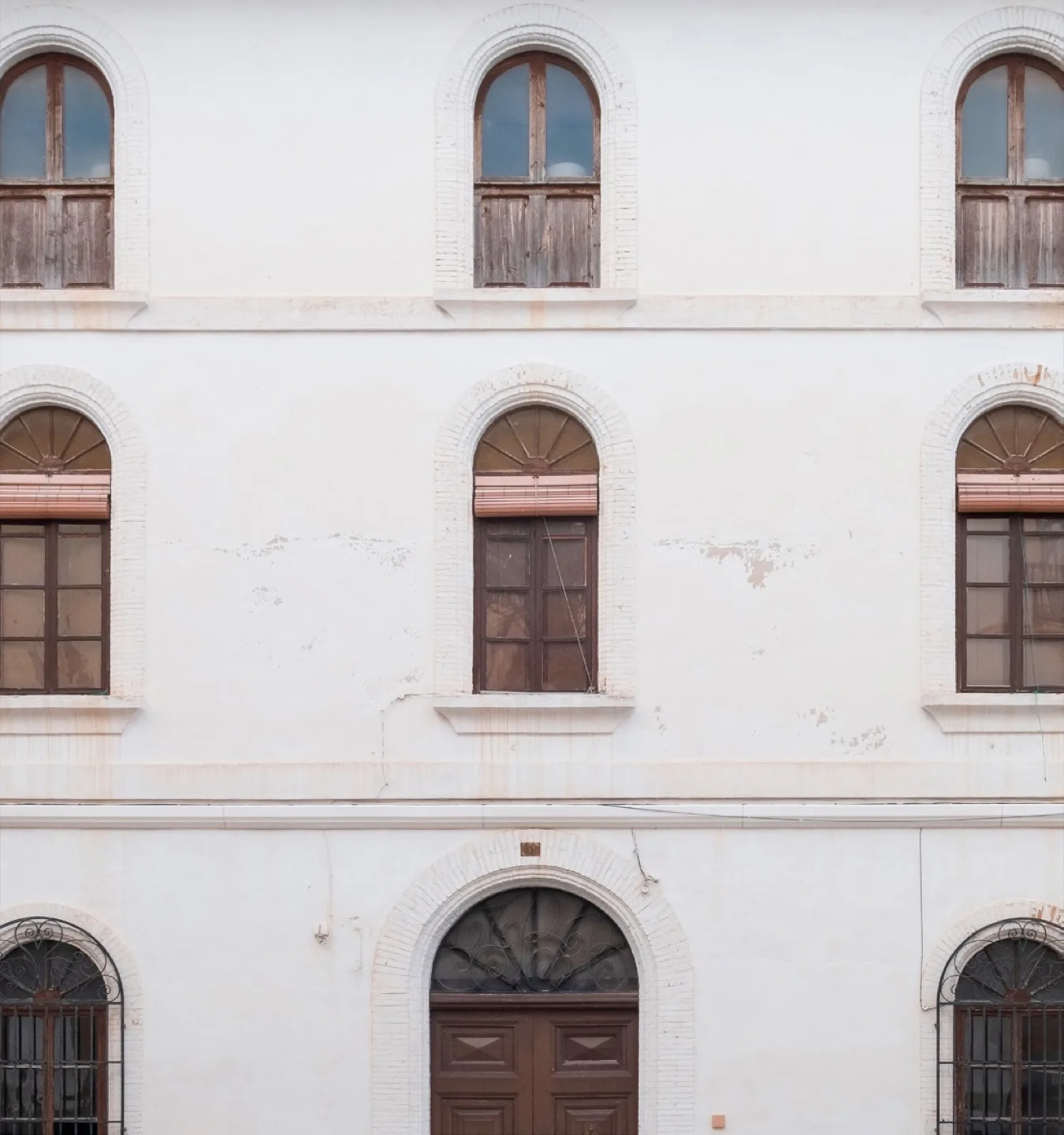
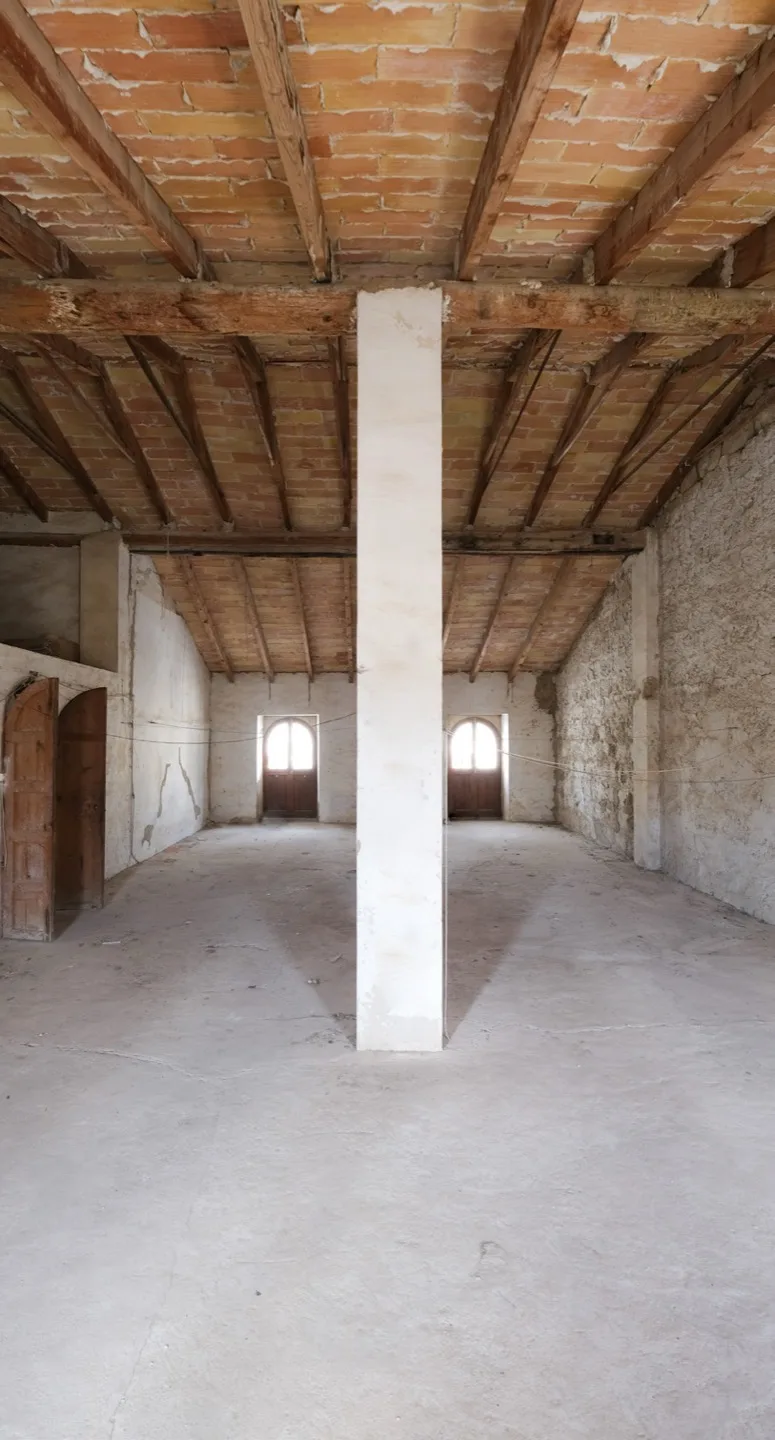
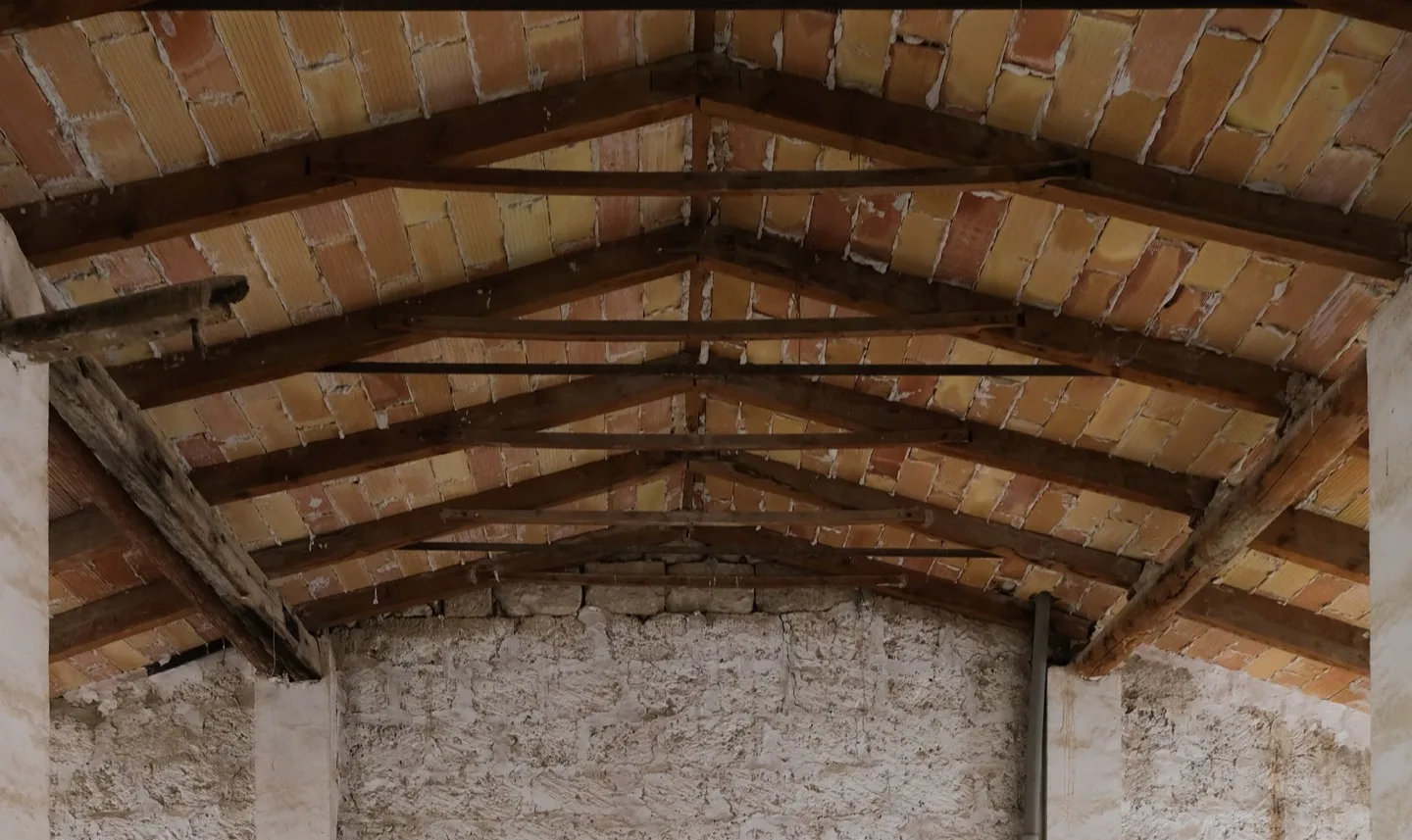
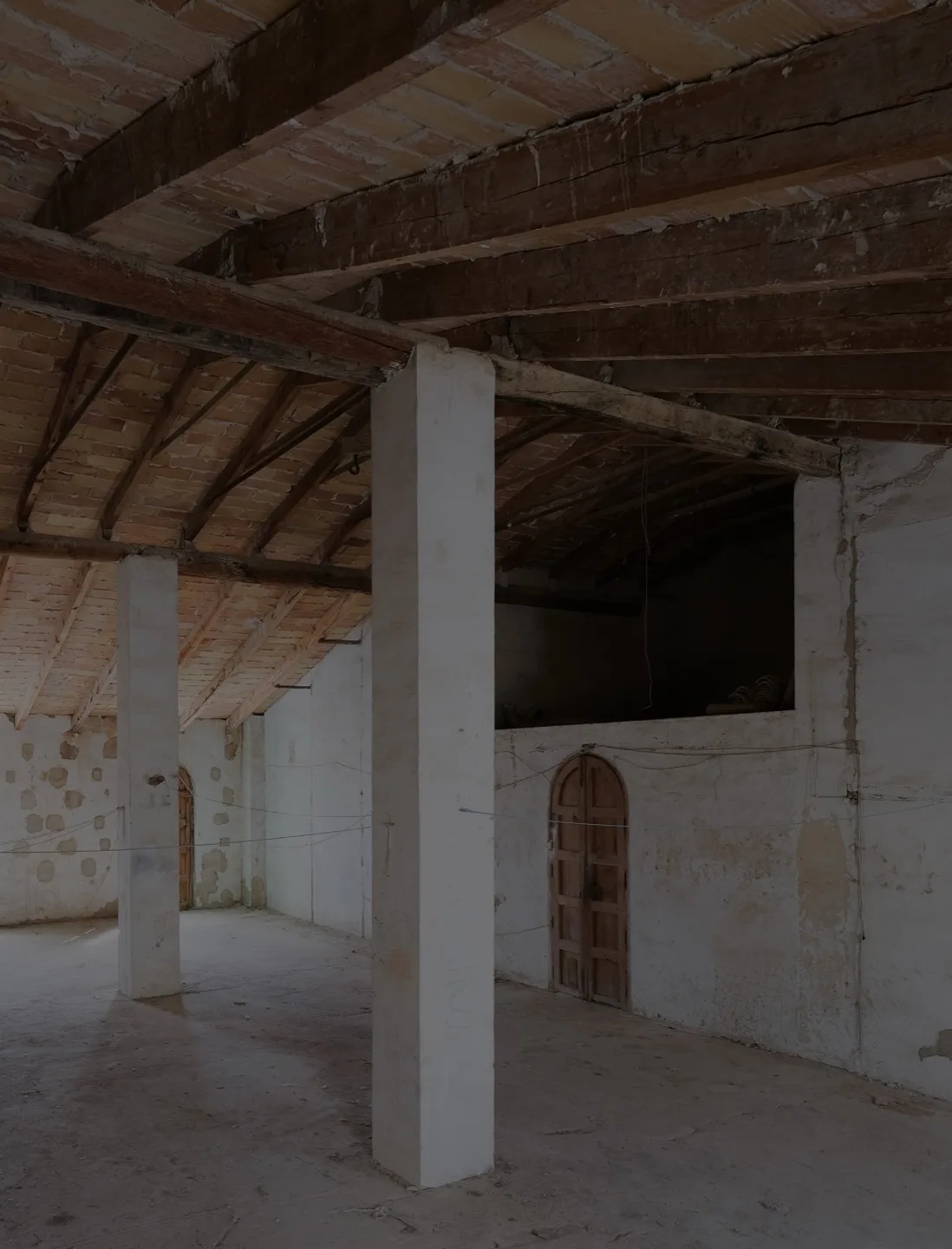
any historic buildings, including White, were designed for the trade. Large attics with high wooden beams and ventilation openings were used to dry grapes before export. As the industry declined, these homes were repurposed or abandoned, their architecture preserving traces of a once thriving trade.
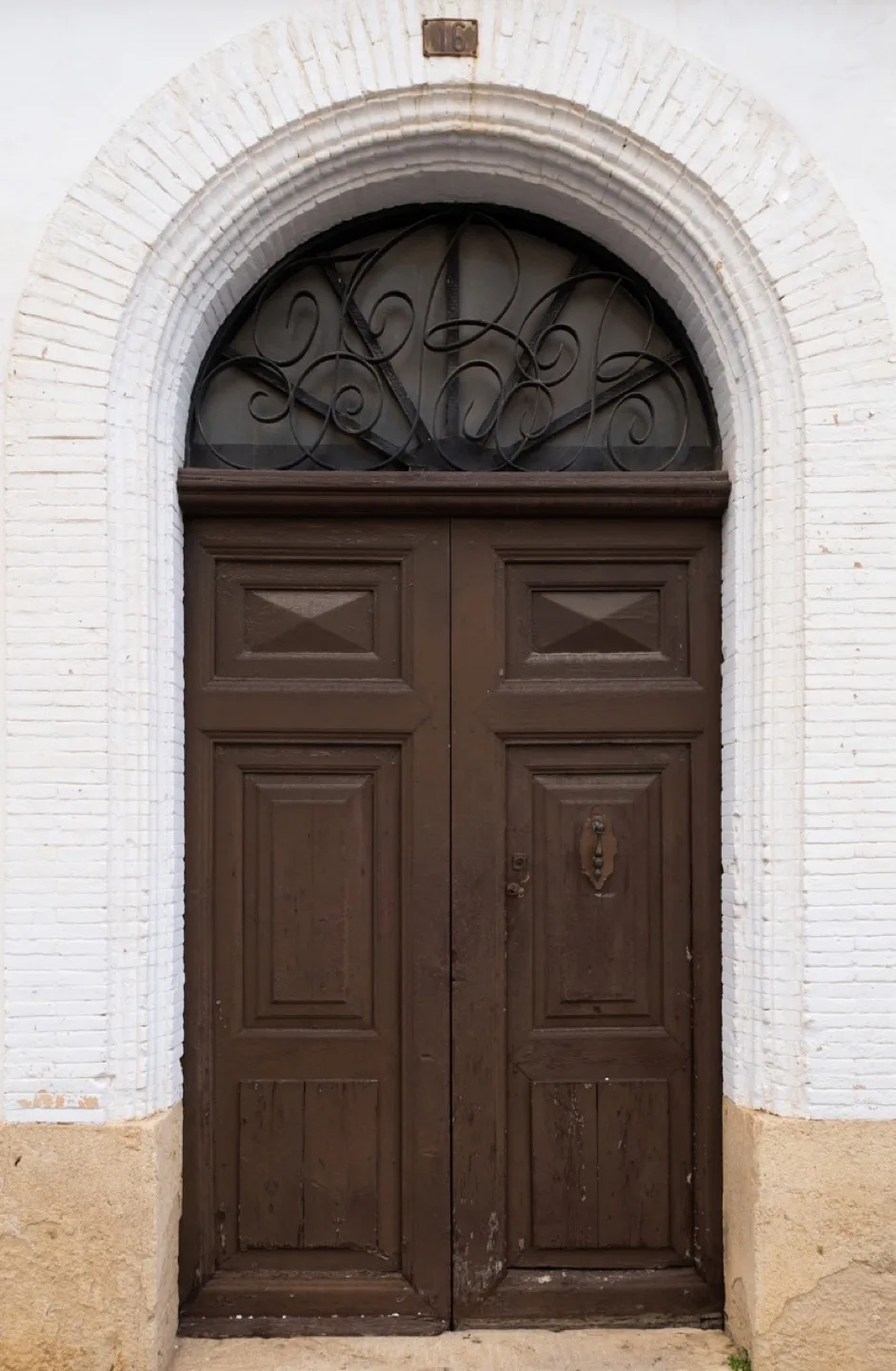
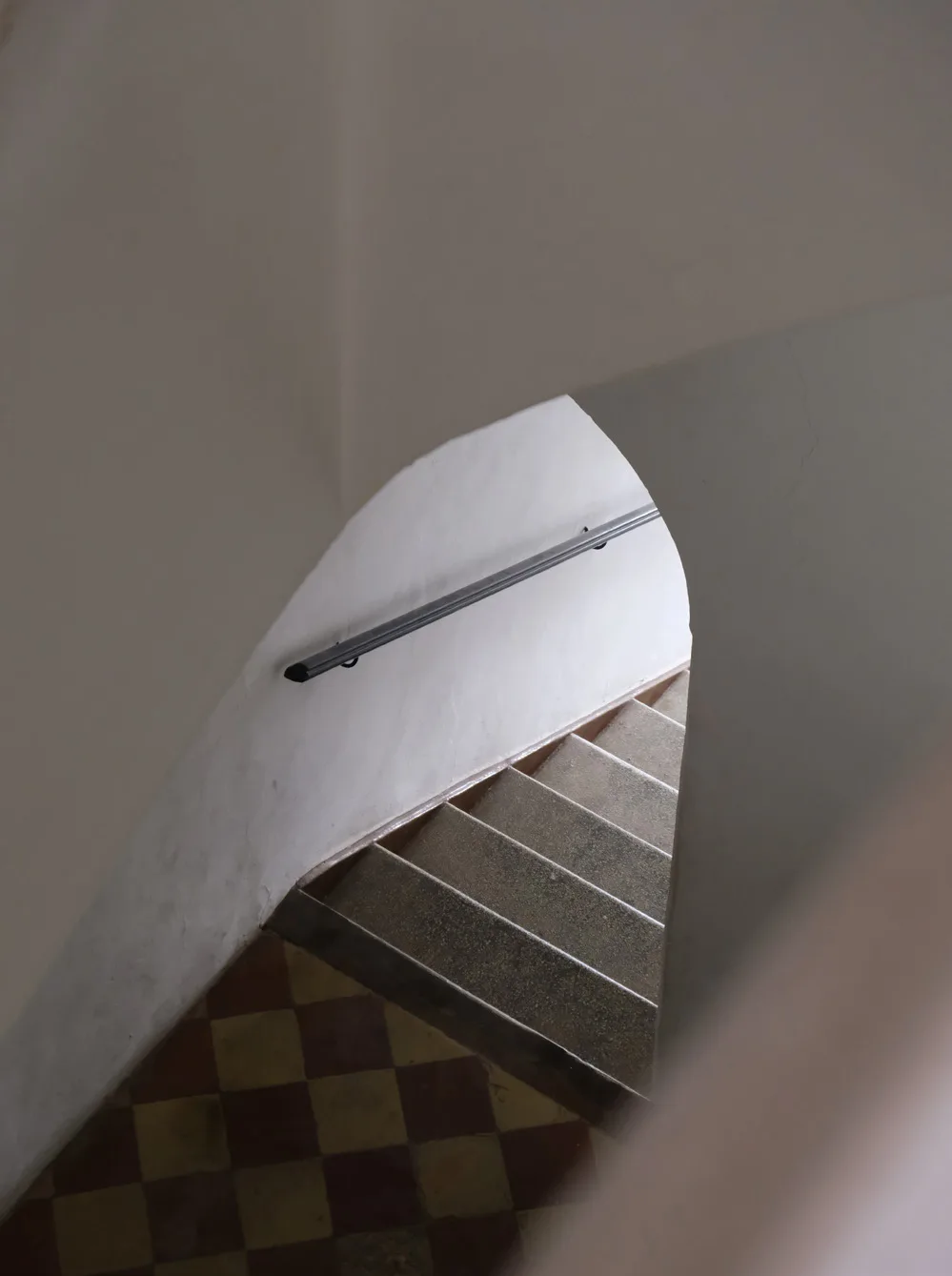
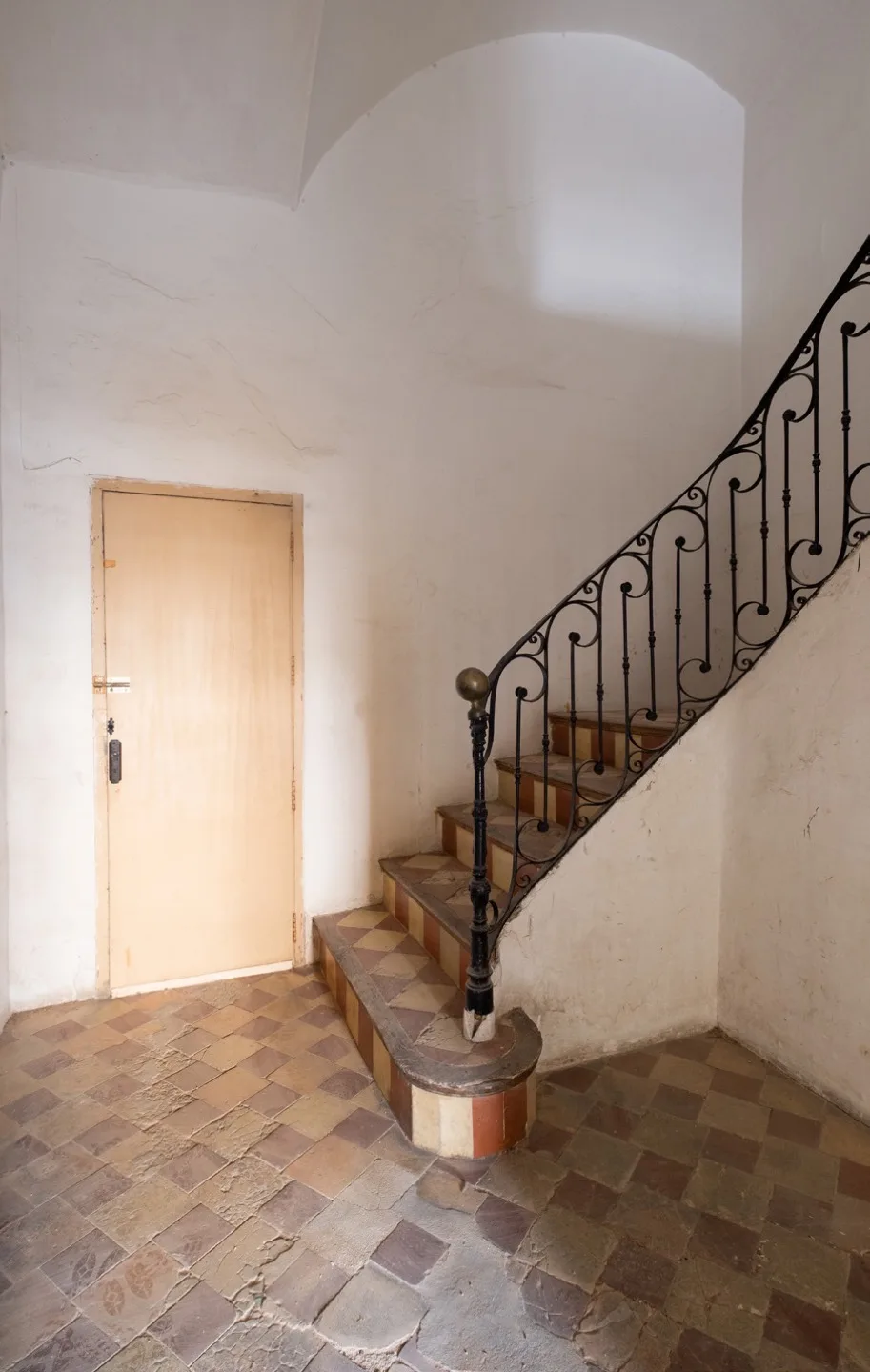
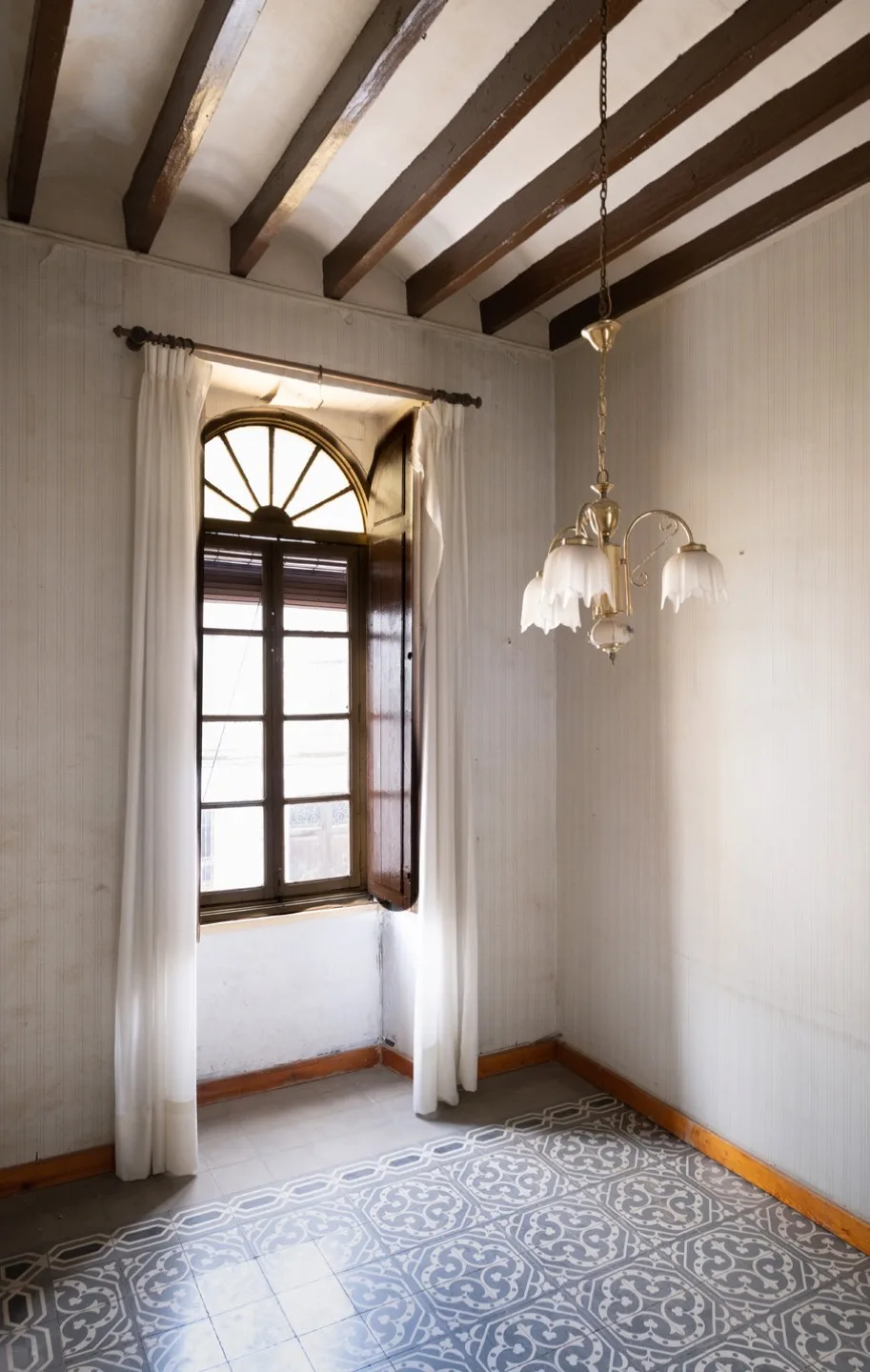
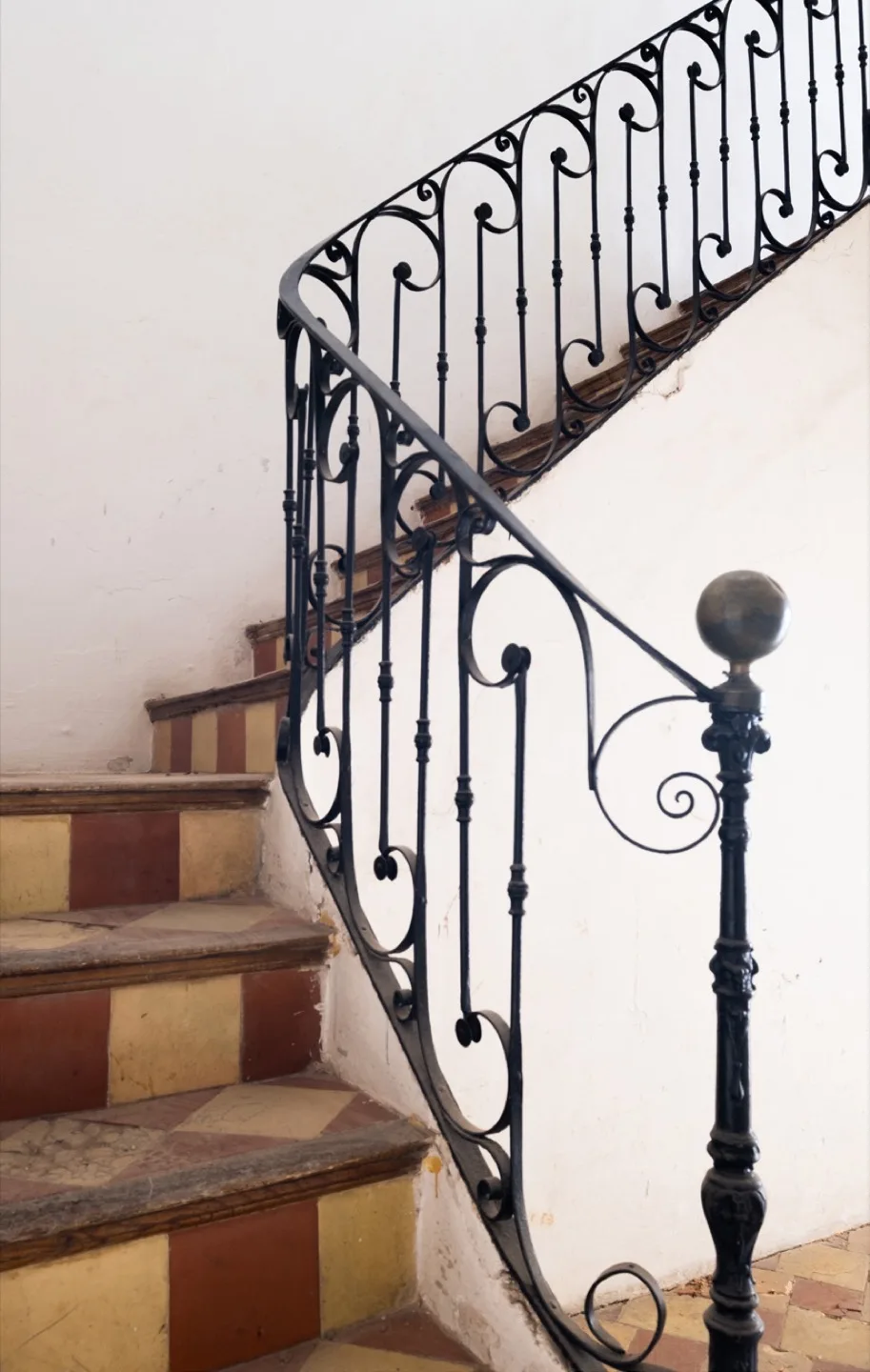
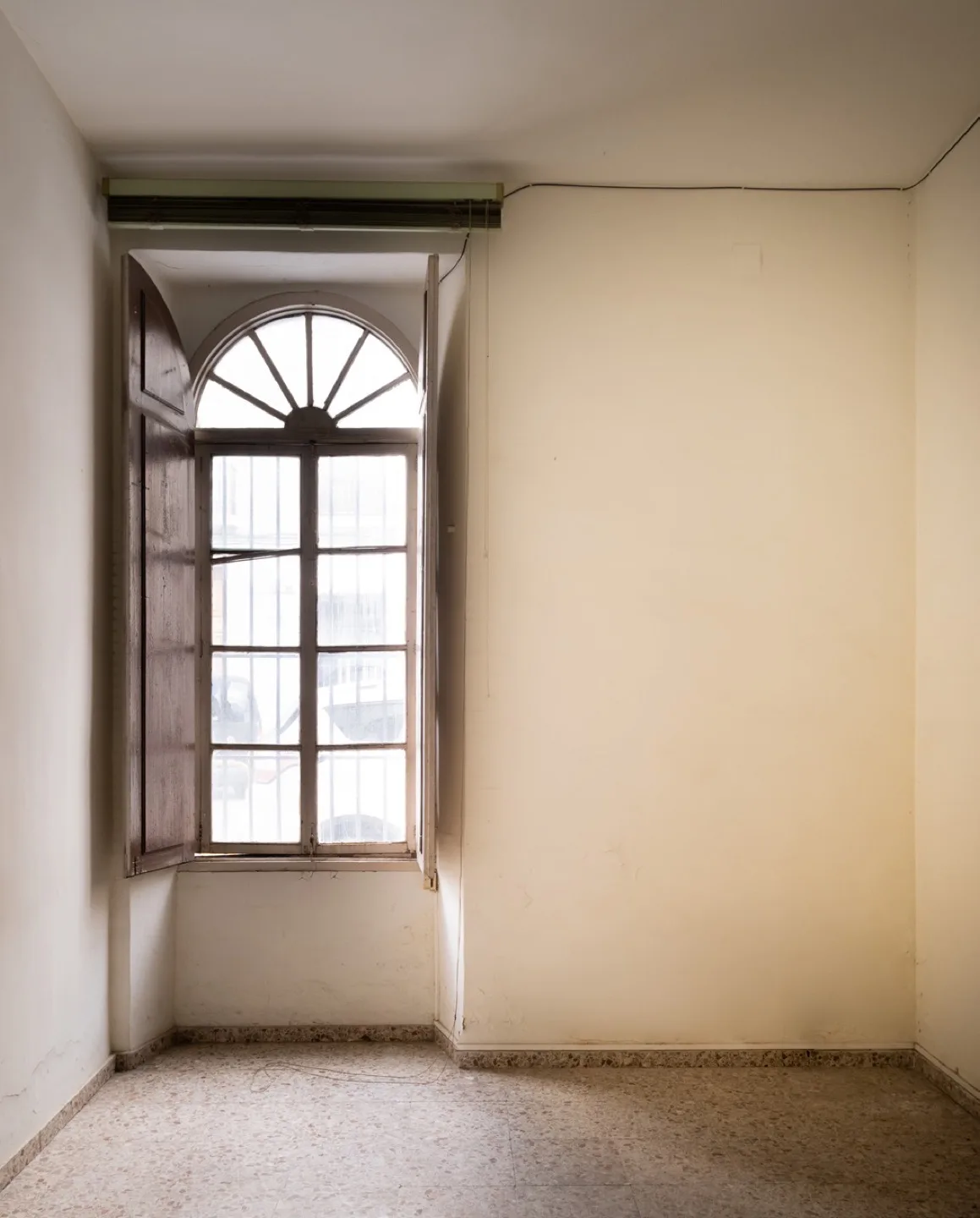
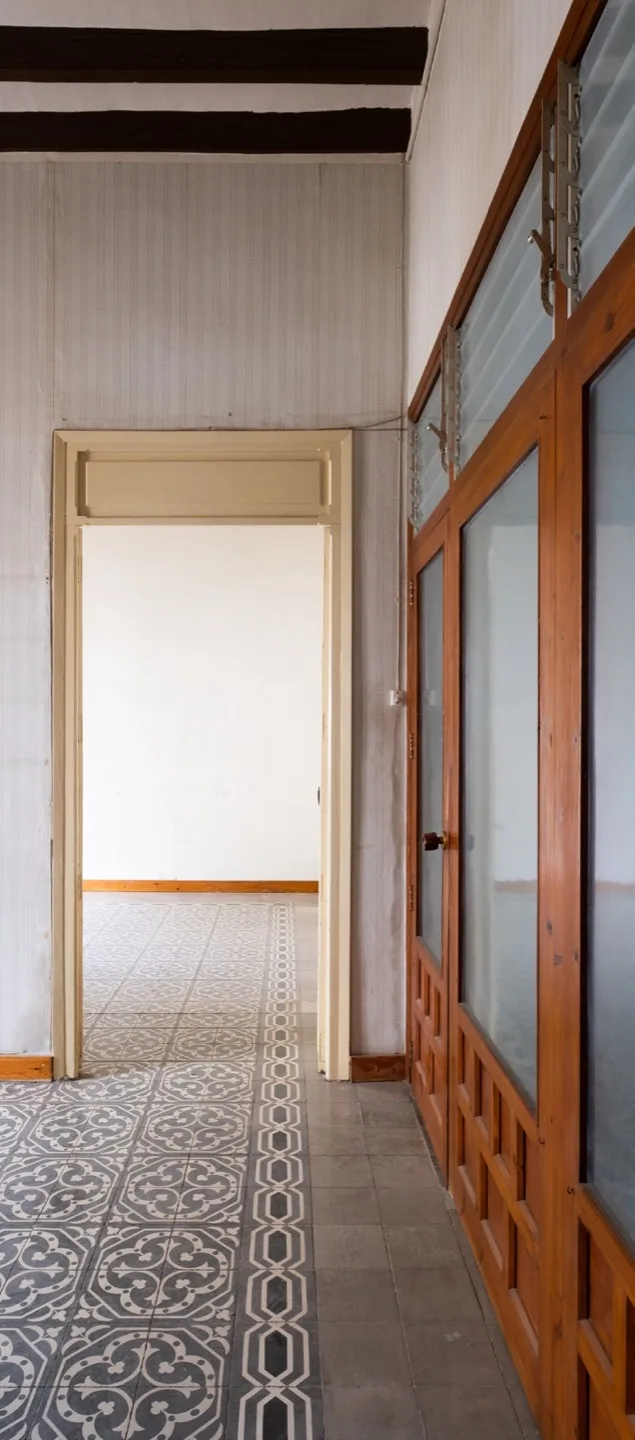
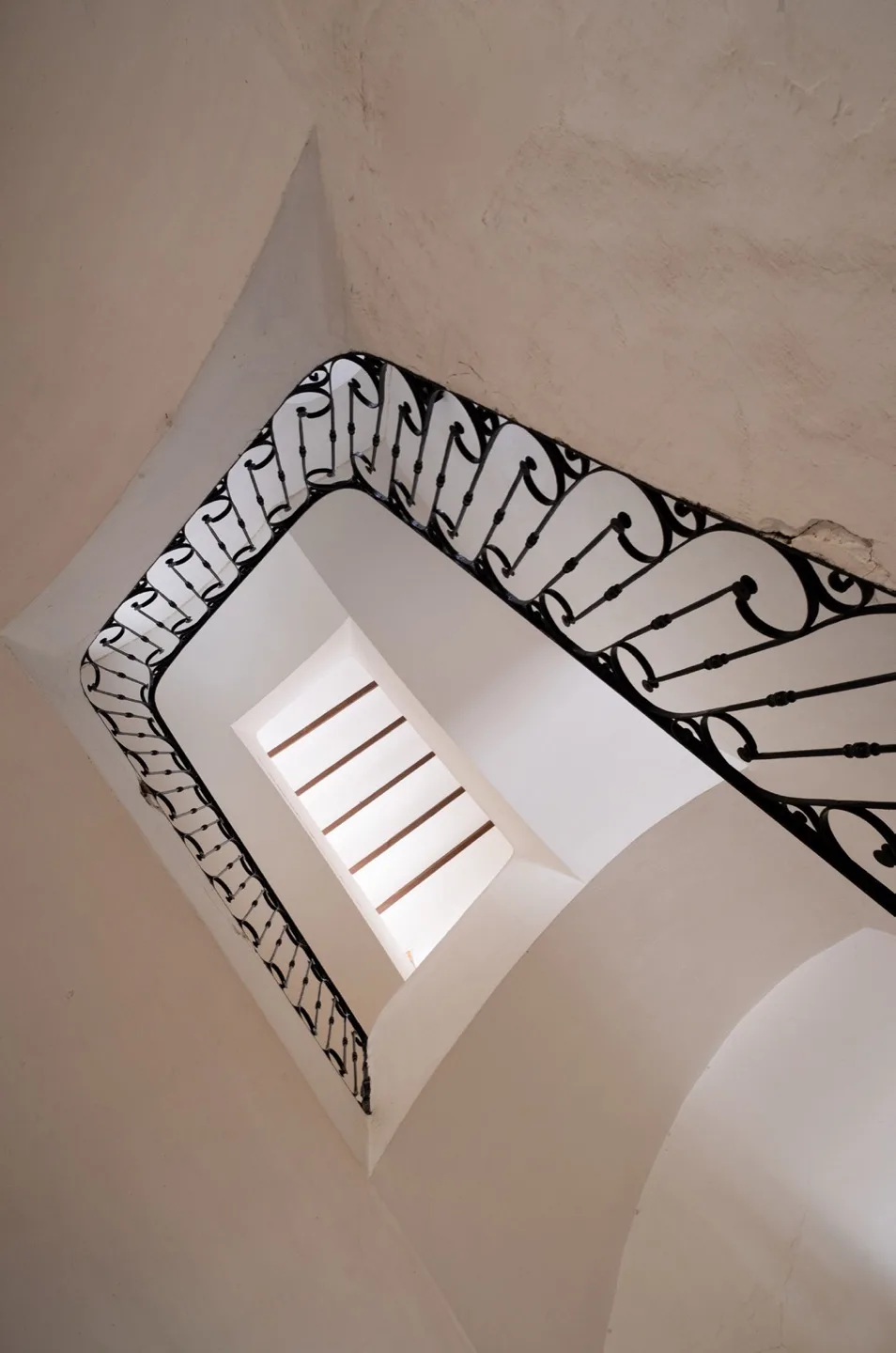
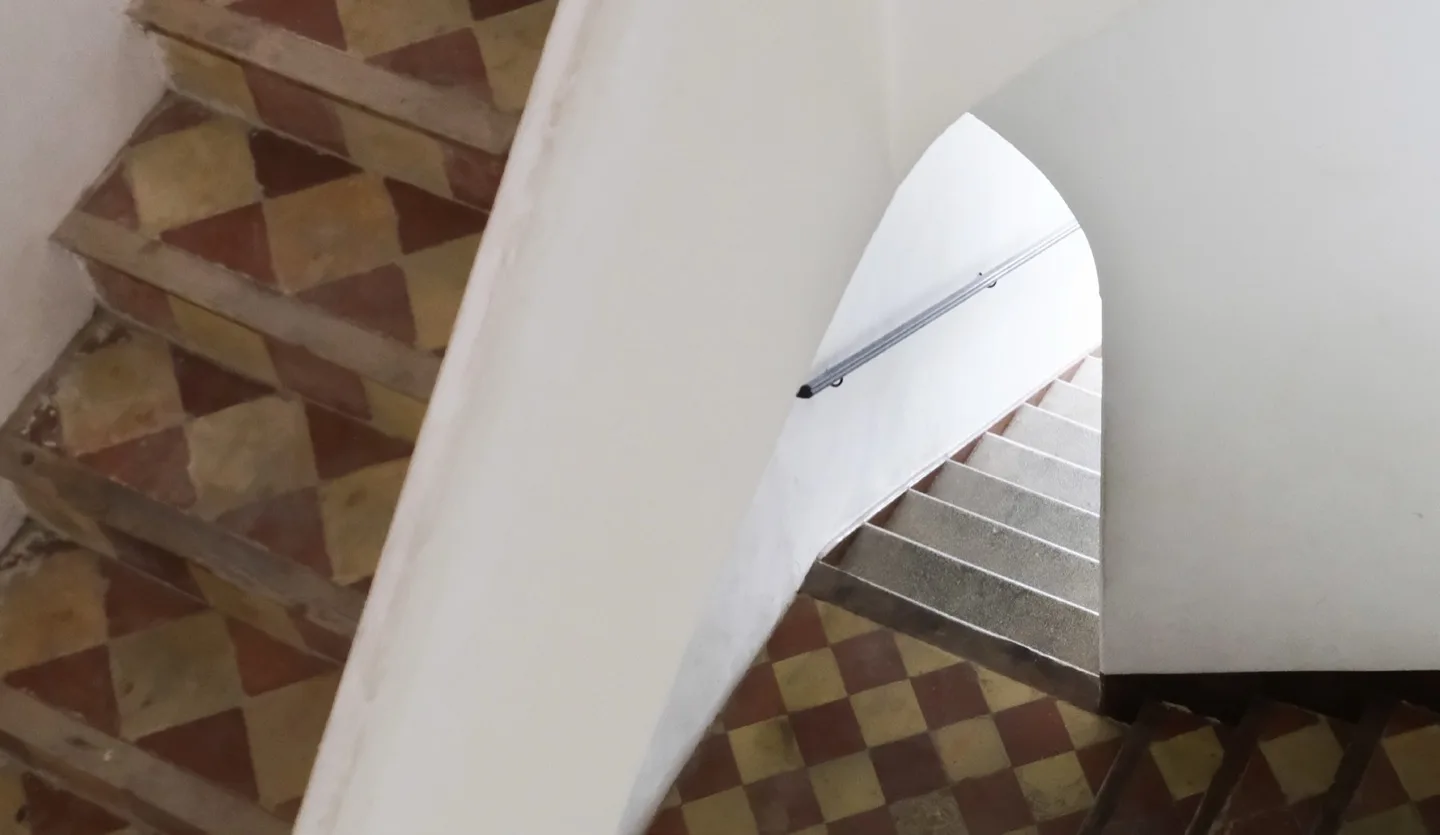
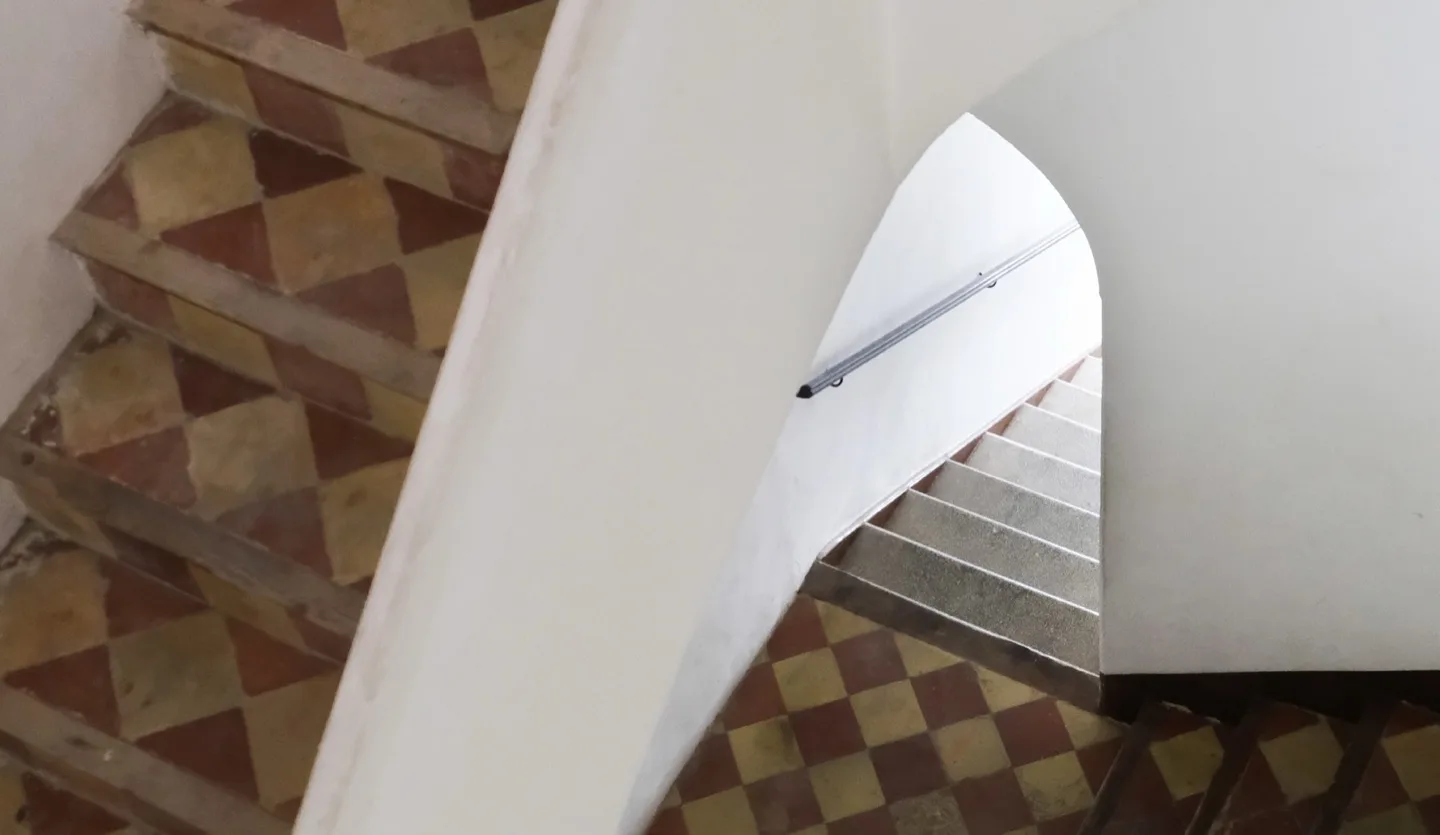
White is part of Jávea’s historic center, shaped by Moorish, Christian, and Mediterranean influences. Its arched doorways, wooden beams, and patterned tiles reflect the town’s architectural heritage.
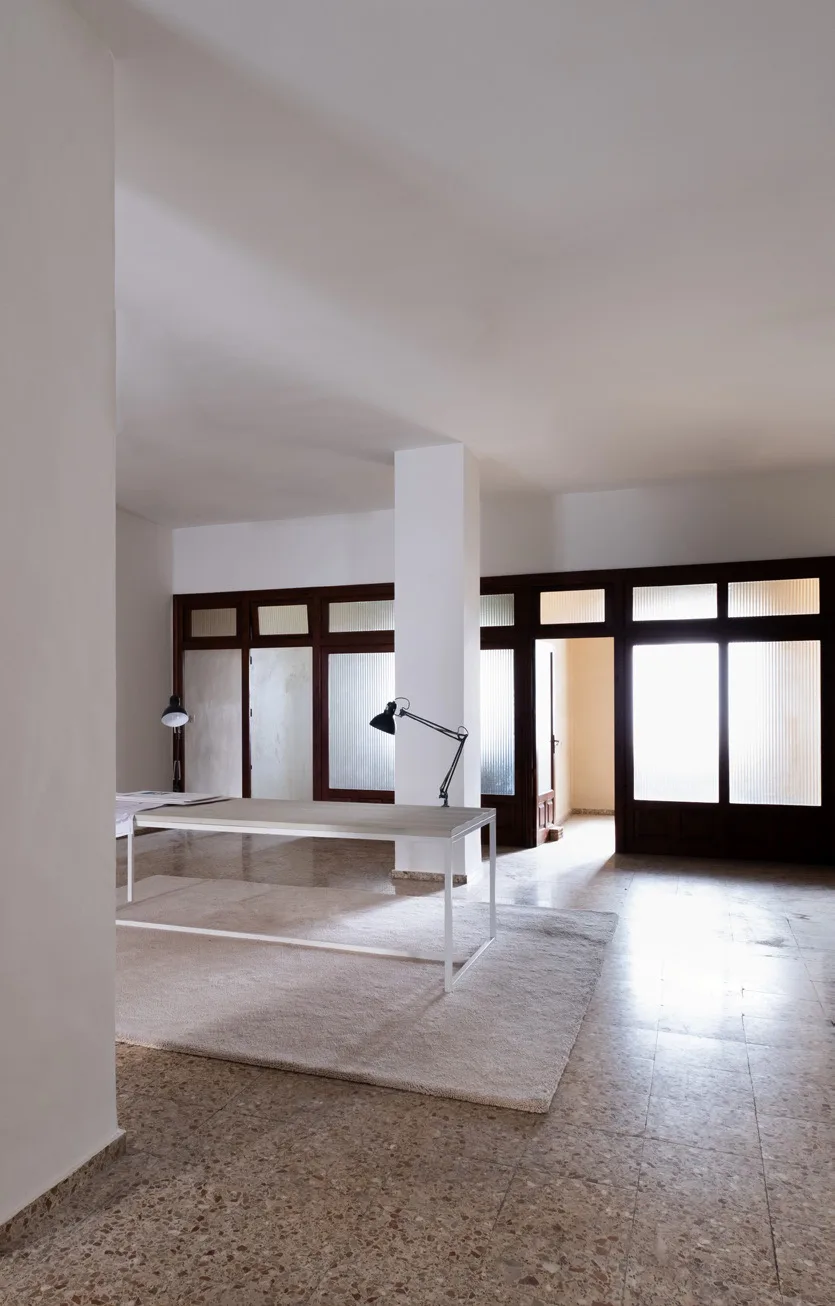
hite is now being restored to honor its past while embracing modern comfort. Traditional Tosca stone, wooden beams, and artisanal tiles will be preserved, creating a refined yet authentic space.
ore than a renovation, this is a rebirth. White Residences & Spa will preserve Jávea’s history while offering guests a luxurious and immersive experience in a place of timeless beauty.